

BIOLOGY - CELL STRUCTURE

Cell Organelles Quiz

  • 10 questions
  • Describe the functions of the structures listed in 2.1.1 and 2.1.2 in plant, animal and bacterial cells
  • Difficulty: Medium
  • Board: CAIE
  • Attempt online on the examination portal
Start the 10-question quiz Free, no sign-up needed. Your score shows instantly.

Here are the first 3 questions. Click “View all questions” to see the complete assessment.

Q1.

A root hair cell takes up mineral ions from the soil while keeping some other dissolved substances out. Which statement describes the function of the cell membrane in this process?

  1. A) It provides a freely permeable supporting layer around the cell.
  2. B) It stores the mineral ions together with the cell's genetic material.
  3. C) It controls the movement of substances into and out of the cell.
  4. D) It releases energy by breaking down the mineral ions.

Q2.

An animal cell loses its nucleus but initially retains its other structures. Why would this eventually disrupt the cell's normal activities?

  1. A) The cell would lose genetic information that controls its activities.
  2. B) The cell would lose the site where most chemical reactions take place.
  3. C) The cell would lose the supporting layer that prevents it from bursting.
  4. D) The cell would lose the structure that directly controls the entry of water.

Q3.

Heart muscle cells contract repeatedly and contain many mitochondria. How do mitochondria help these cells perform their function?

  1. A) They carry out aerobic respiration, releasing energy for contraction.
  2. B) They absorb light energy to produce glucose for contraction.
  3. C) They store cell sap that pushes against the cell surface.
  4. D) They make proteins that are the cell's main source of genetic information.

Q4.

Some areas of a leaf have cells containing chloroplasts, while other areas have cells without chloroplasts. Both areas receive light. Why can only the cells with chloroplasts carry out photosynthesis?

  1. A) Chloroplasts release energy from glucose by aerobic respiration.
  2. B) Chloroplasts store the genetic information that controls every cell activity.
  3. C) Chloroplasts control all movement of carbon dioxide across the cell membrane.
  4. D) Chloroplasts contain chlorophyll, which absorbs the light energy needed.

Q5.

A bacterial cell has no nucleus or mitochondria, but it still carries out many enzyme-controlled chemical reactions. Which statement describes the role of its cytoplasm?

  1. A) It contains chlorophyll that absorbs light for photosynthesis.
  2. B) It forms a rigid outer layer that maintains the cell's shape.
  3. C) It is the site of many chemical reactions needed by the cell.
  4. D) It forms a barrier that selects which substances enter the cell.

Q6.

A cell in a digestive gland produces large amounts of a protein enzyme. Why does this cell need many ribosomes?

  1. A) Ribosomes join amino acids together to make the enzyme.
  2. B) Ribosomes control the movement of the enzyme across the cell membrane.
  3. C) Ribosomes store the enzyme in a large space filled with cell sap.
  4. D) Ribosomes break down food to release energy for the cell.

Q7.

A bacterium gains a plasmid containing a gene for antibiotic resistance. Which description explains how the plasmid can give the bacterium this new characteristic?

  1. A) It acts as a membrane that prevents all substances from entering.
  2. B) It carries additional genetic information that the bacterium can use.
  3. C) It forms a supporting wall that prevents the bacterium from bursting.
  4. D) It becomes a ribosome that makes all the bacterium's proteins.

Q8.

The diagram shows a plant cell. When the cell has an adequate water supply, how does the structure labelled X help support it?
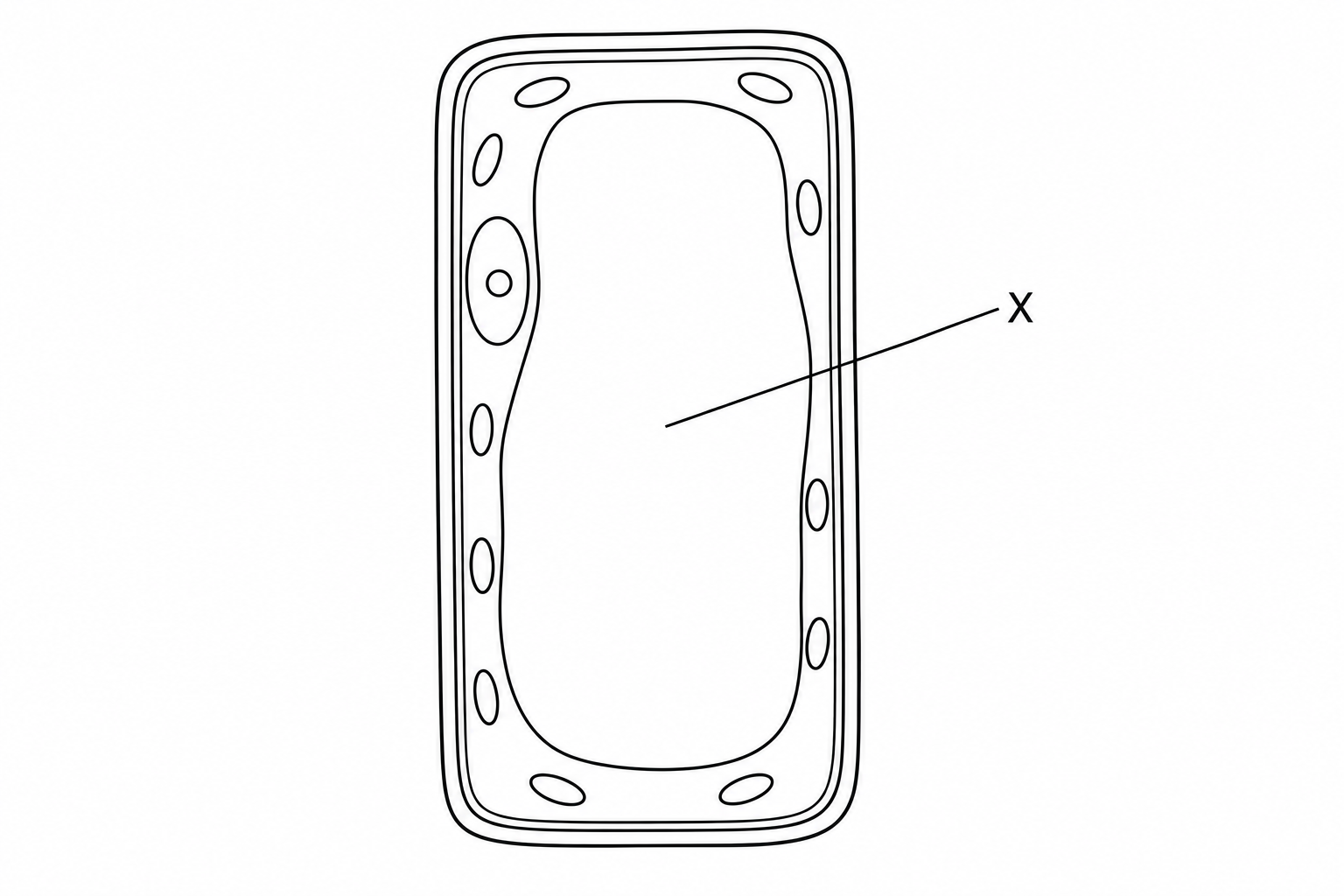
Diagram for question 8: The diagram shows a plant cell. When the cell has an adequate water supply, how does the structure labelled…
  1. A) It contains cell sap and helps maintain pressure against the cell wall.
  2. B) It makes proteins that form a rigid layer outside the cell.
  3. C) It absorbs light energy to make the cell wall stronger.
  4. D) It releases energy that pulls the cell membrane away from the wall.

Q9.

The diagram shows a bacterial cell. Water can enter this cell from its surroundings. Which function of the structure labelled X helps the cell remain intact?
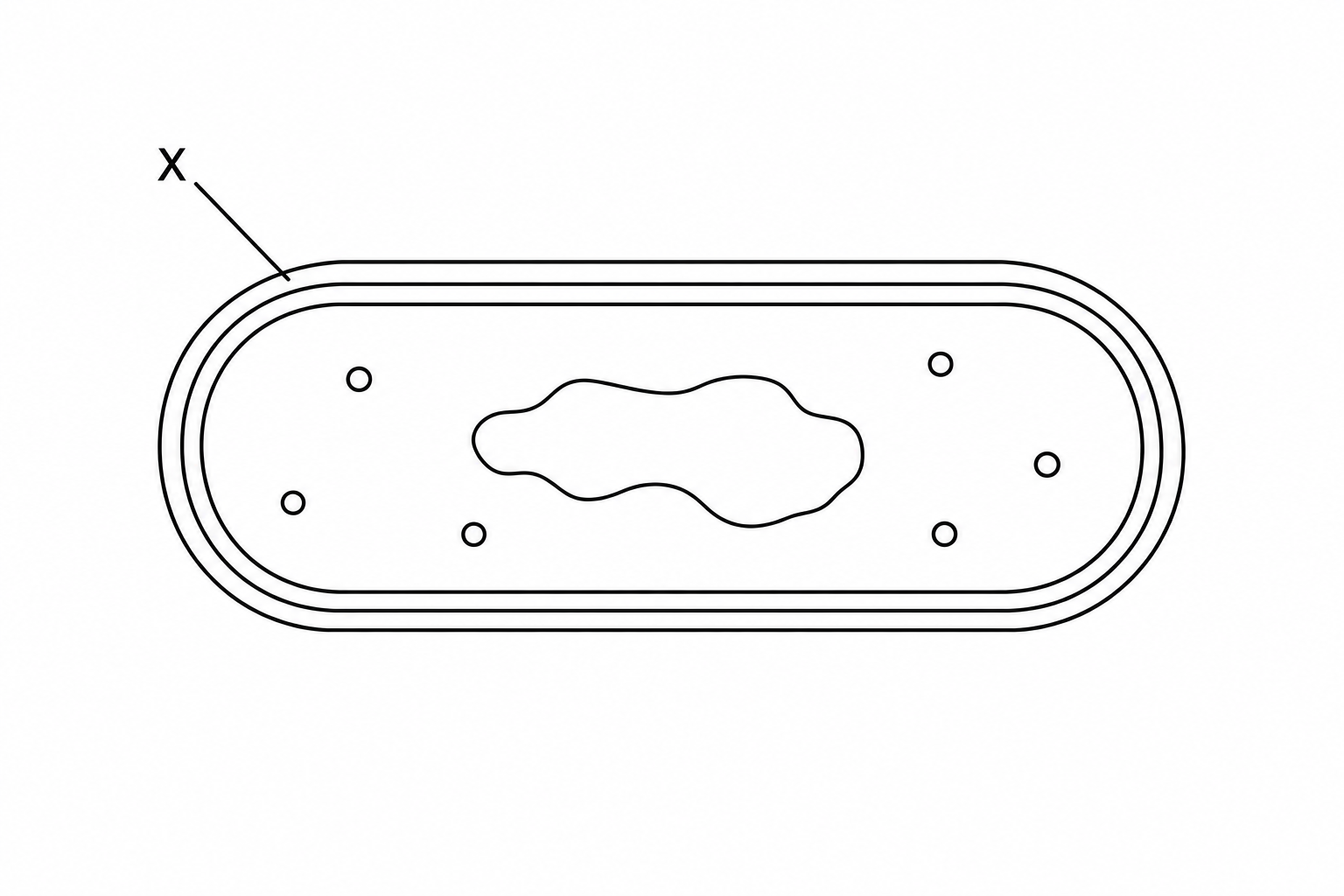
Diagram for question 9: The diagram shows a bacterial cell. Water can enter this cell from its surroundings. Which function of the…
  1. A) It stops all water from entering the cell.
  2. B) It stores excess water in a permanent vacuole.
  3. C) It uses water to make carbohydrates by photosynthesis.
  4. D) It resists expansion and helps prevent the cell from bursting.

Q10.

The diagram shows a bacterial cell with no nucleus. Which statement describes the function of the structure labelled X?
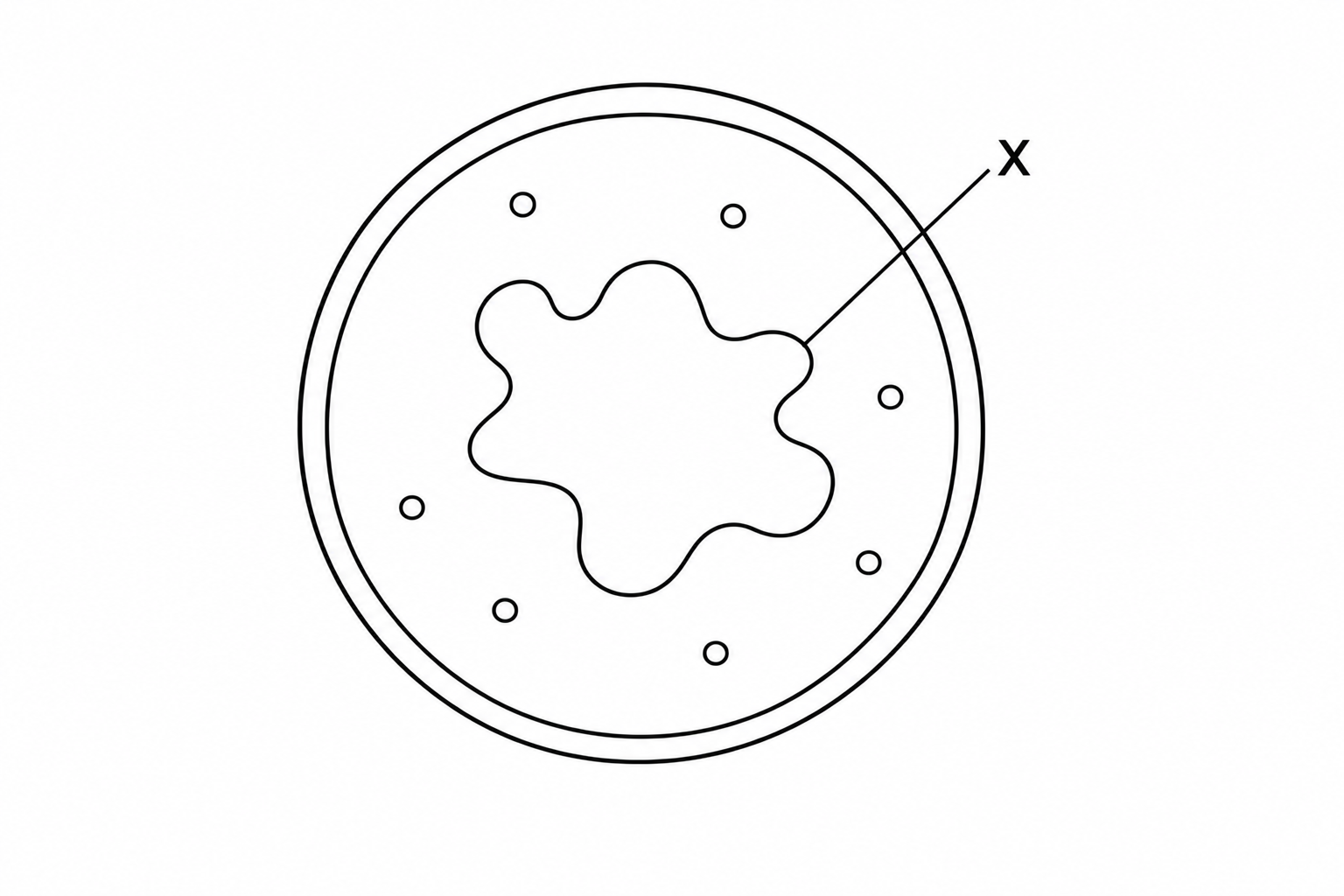
Diagram for question 10: The diagram shows a bacterial cell with no nucleus. Which statement describes the function of the structure…
  1. A) It is the site where amino acids are joined to make proteins.
  2. B) It controls the passage of substances into and out of the cell.
  3. C) It carries genetic information that controls the cell's activities.
  4. D) It provides the rigid support that maintains the cell's shape.

What this assessment covers

Concepts Tested

  • Cell Structure
  • Describe the functions of the structures listed in 2.1.1 and 2.1.2 in plant, animal and bacterial cells

Question Mix

  • Medium questions included

Skills you build

  • Understand