

MATHEMATICS - EXPONENTIAL FUNCTIONS
Exponential Functions Worksheet
- 10 questions
- Know and use simple properties and graphs of the logarithmic and exponential functions, including ln x and ex. Understand that f(x) = ex and g(x) = 1n x are each the inverse of the other. Understand the asymptotic nature of the graphs of logarithmic and exponential functions. State the equations of any asymptotes.
- Difficulty: Medium
- Board: CAIE
- Attempt online on the examination portal
Start the 10-question quiz
Free, no sign-up needed. Your score shows instantly.
Here are the first 3 questions. Click “View all questions” to see the complete assessment.
Q1.
Q2.
The point (4,k) lies on the graph of y = ln x. Without finding a decimal value for k, which statement must be true?
Q3.
Which property explains why the equation e^(x) = c has exactly one real solution for every positive number c?
Q4.
Which ordering follows from the properties of the natural logarithm function, without using a calculator?
Q5.
Which translation takes the graph of y = e^(x) onto the graph of y = e^(x + 2)?
Q6.
For the graph of y = ln(x + 4), which option correctly gives both its domain and its vertical asymptote?
Q7.
As x increases without bound, which statement describes the graph of y = e^( − x)?
Q8.
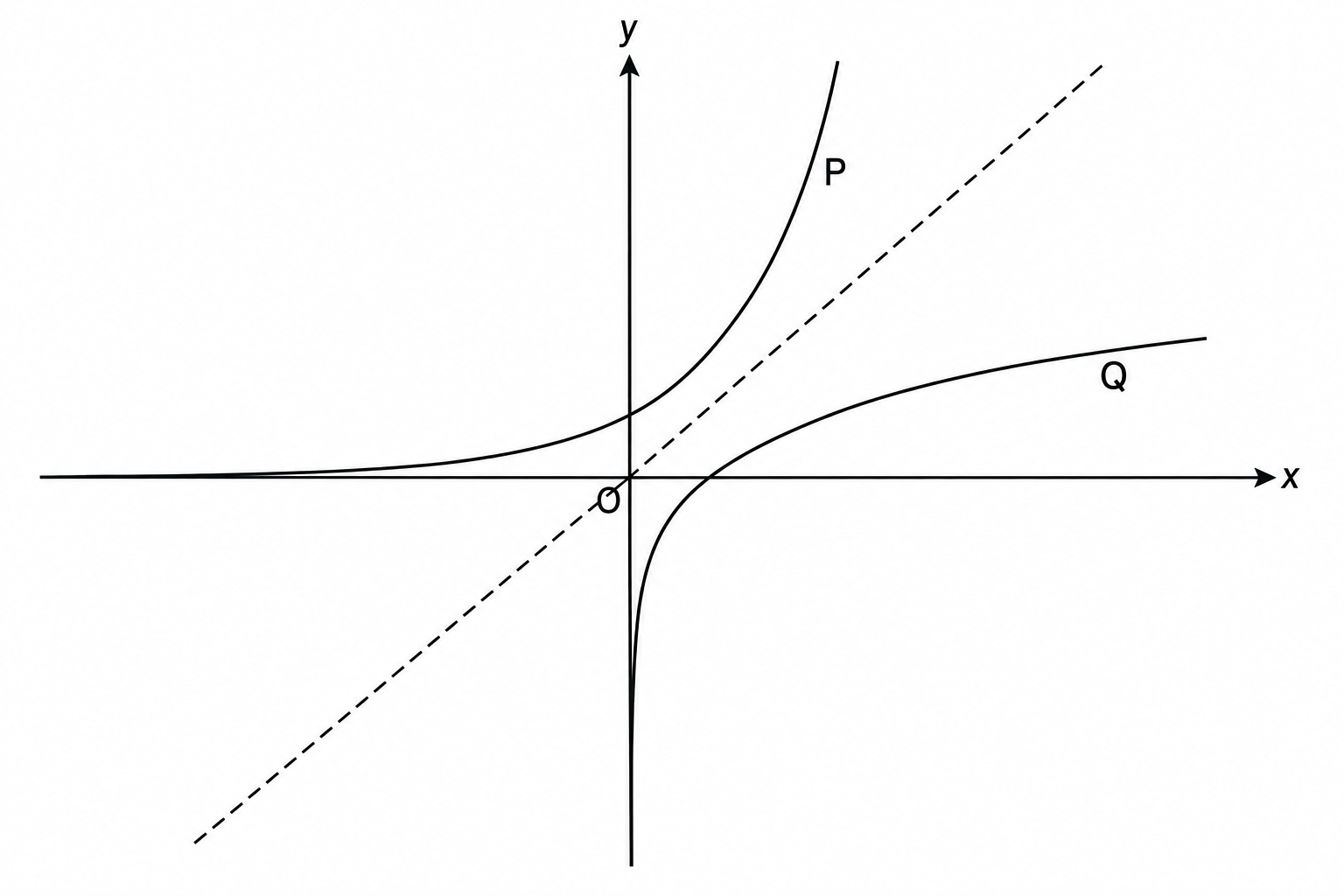
The sketch shows the graphs of y = e^(x) and y = ln x. The dashed line is a line of reflection that maps one graph onto the other. What is its equation?
Q9.
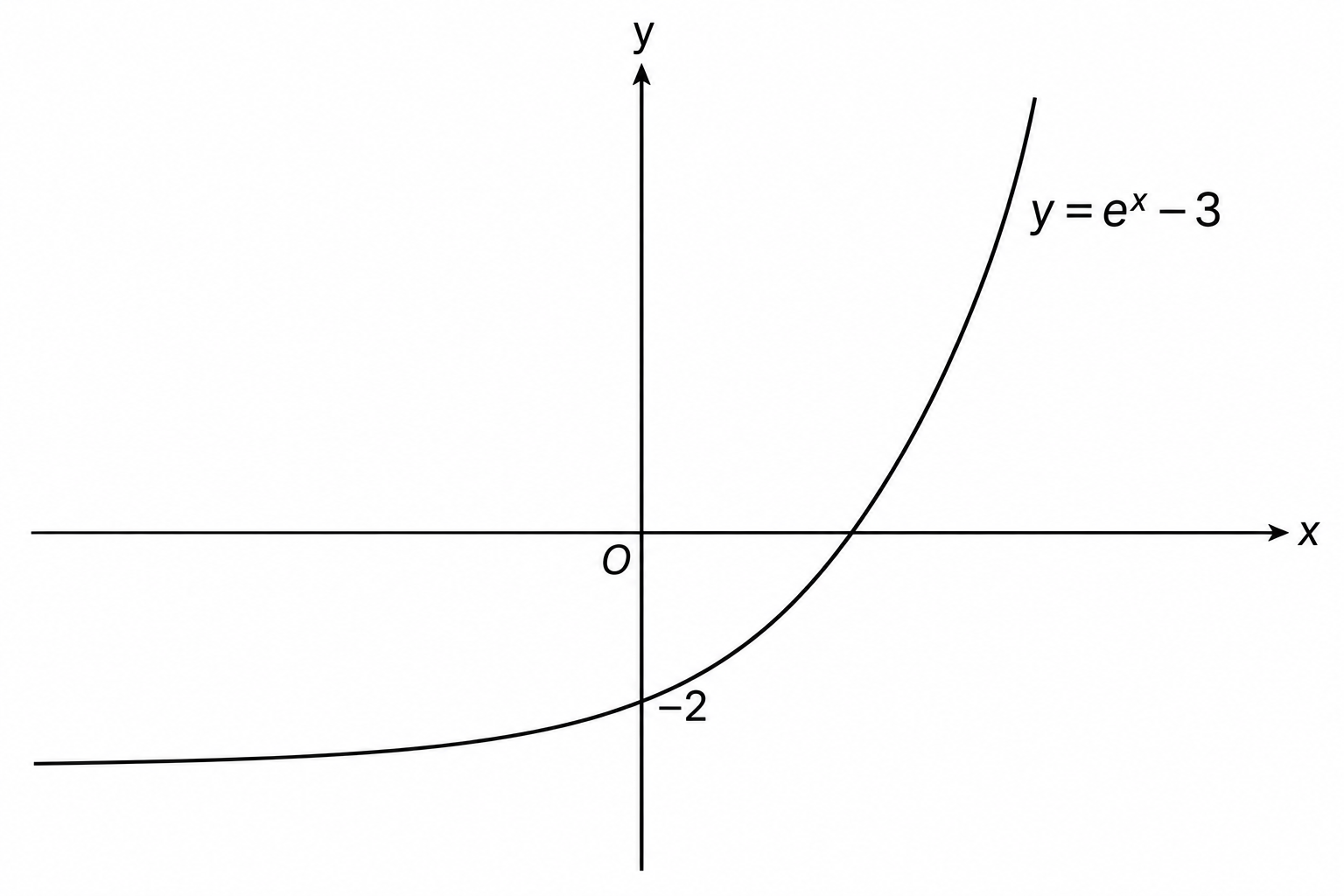
The sketch shows y = e^(x) − 3. Which equation describes its horizontal asymptote?
Q10.
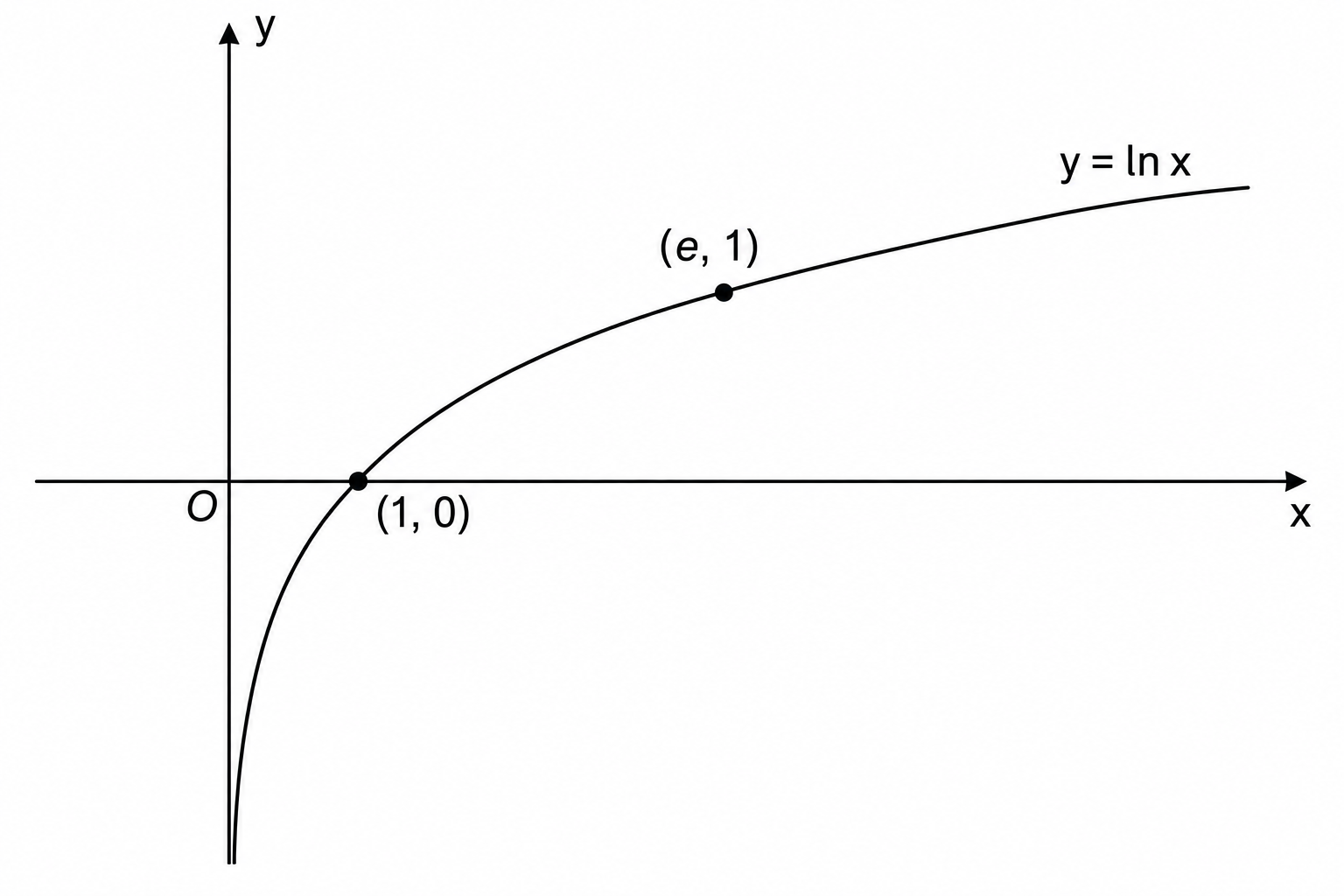
The sketch shows y = ln x. This graph is translated 2 units downwards. What is the horizontal-axis intercept of the translated graph?
What this assessment covers
Concepts Tested
- Exponential Functions
- Know and use simple properties and graphs of the logarithmic and exponential functions, including ln x and ex. Understand that f(x) = ex and g(x) = 1n x are each the inverse of the other. Understand the asymptotic nature of the graphs of logarithmic and exponential functions. State the equations of any asymptotes.
Question Mix
- Medium questions included
Skills you build
- Understand
Related assessments
More practice
Other assessments in this subject
