

CHEMISTRY - MOLECULAR SHAPES
Vsepr Theory Worksheet
- 10 questions
- Difficulty: Hard
- Board: CAIE
- Attempt online on the examination portal
Start the 10-question quiz
Free, no sign-up needed. Your score shows instantly.
Here are the first 3 questions. Click “View all questions” to see the complete assessment.
Q1.
Q2.
An isolated gaseous PCl₅ molecule accepts a chloride ion to form PCl₆⁻. Apply electron-pair repulsion theory to both species. Which statement correctly describes the change at phosphorus?
Q3.
For SO₂, SO₃ and SO₄²⁻, count each sulfur–oxygen bond as one electron domain, regardless of bond order. Which statement correctly combines the molecular shapes with the numbers of lone pairs on sulfur?
Q4.
SF₄ has five electron-pair domains around sulfur. In an ideal trigonal-bipyramidal arrangement, an axial site has three neighbouring sites at 90°, while an equatorial site has two. Which prediction correctly applies electron-pair repulsion theory to SF₄?
Q5.
Consider ideal isolated PF₅ and SF₆ molecules. Count each distinct pair of bonds at the central atom once. How many pairs of bonds meet at 90° in PF₅ and in SF₆, respectively?
Q6.
A gaseous AlCl₃ monomer has three Al–Cl bonds and no lone pair on aluminium. Two monomers form Al₂Cl₆, in which each aluminium is bonded to two terminal chlorine atoms and two bridging chlorine atoms. Treat a coordinate bond as one bonding electron domain. Which prediction is correct?
Q7.
Hydroxylamine has the connectivity H₂N–O–H, with only single bonds. Nitrogen and oxygen both obey the octet rule, and all atoms have zero formal charge. Which prediction correctly describes both centres?
Q8.
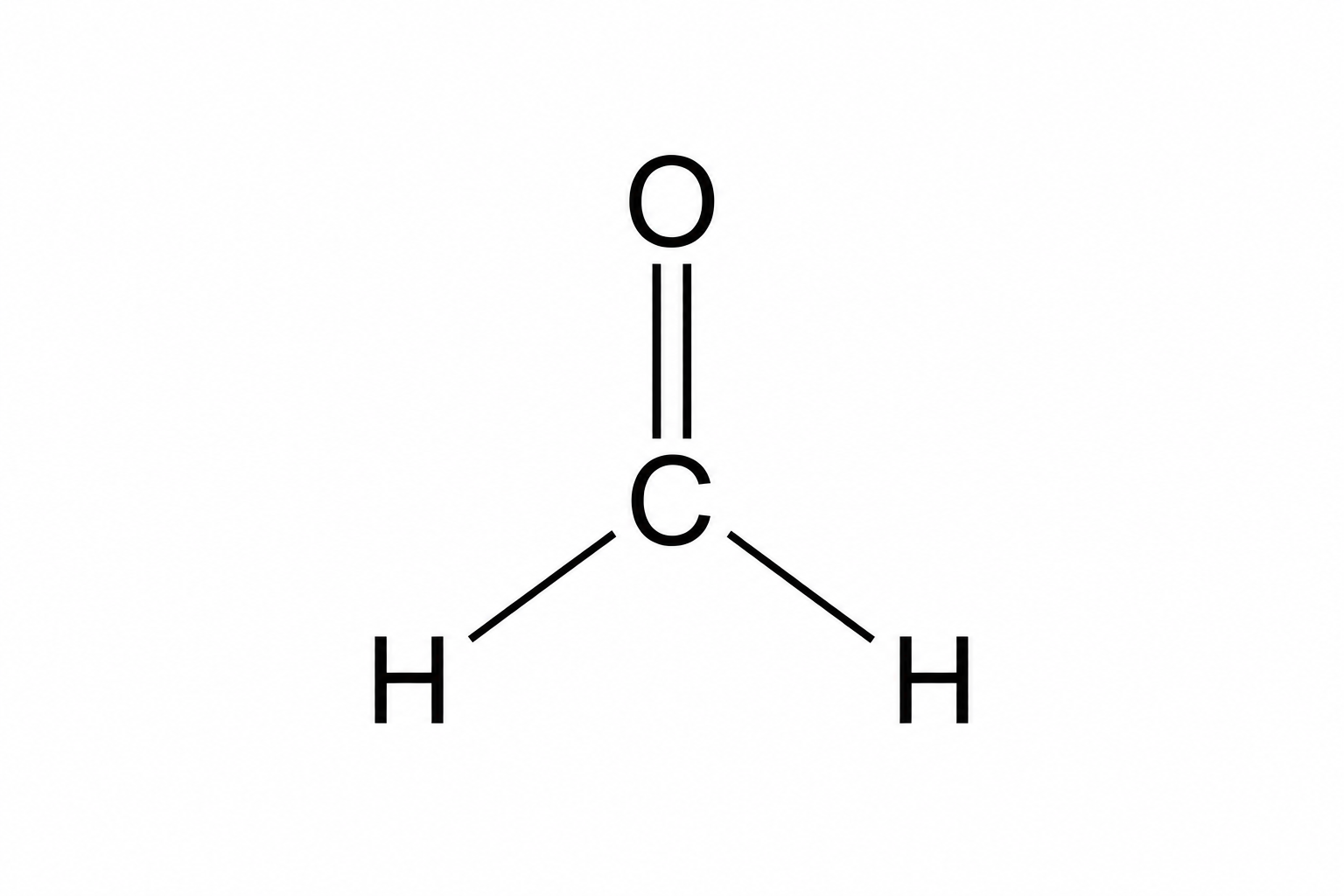
The diagram shows the bonding in methanal, H₂CO. The drawn angles are schematic. Apply electron-pair repulsion theory, including the greater repulsion exerted by a double-bond domain. Which prediction is correct for the angles at carbon?
Q9.
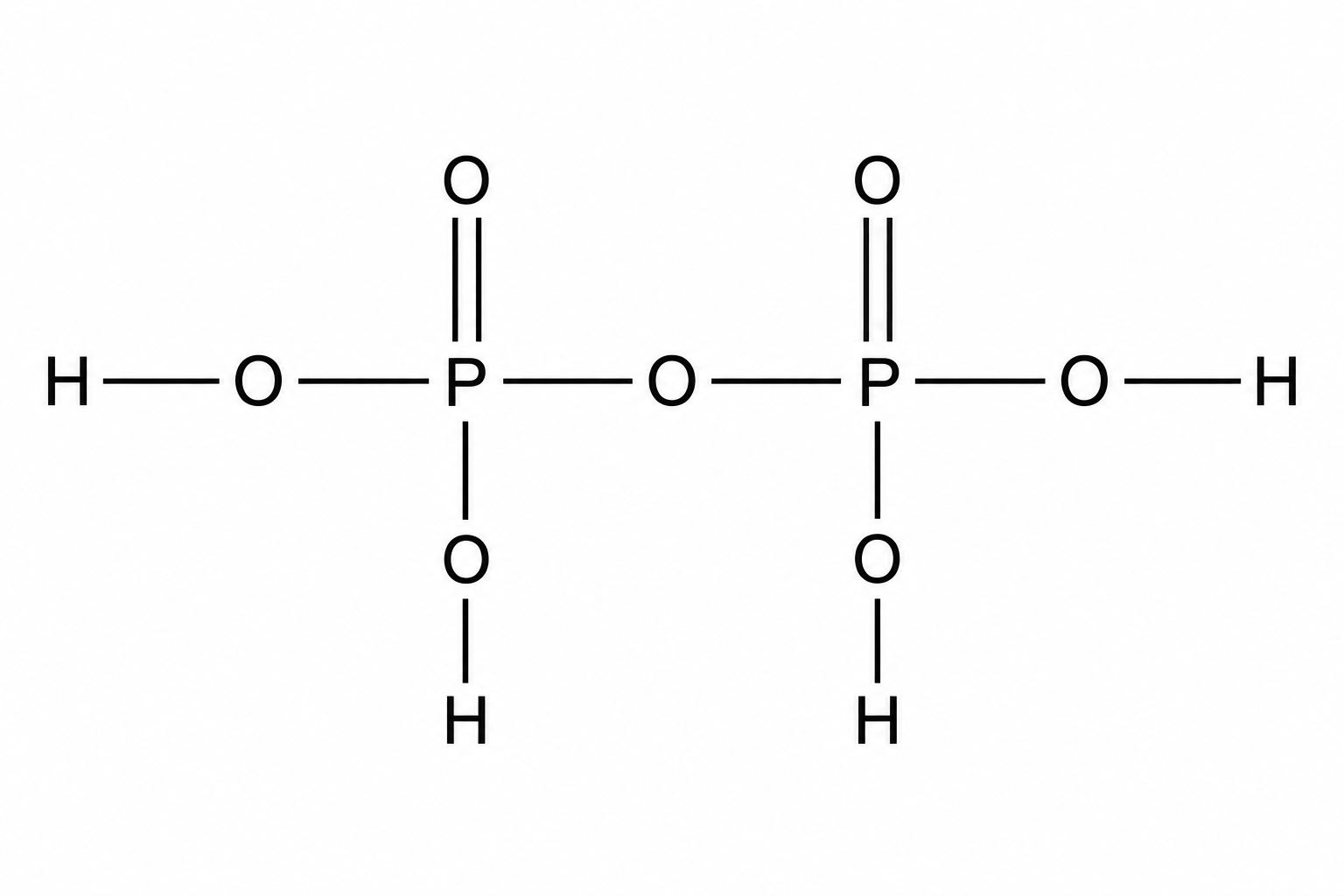
The diagram shows the connectivity and bond orders in H₄P₂O₇. The central oxygen atom bridges the two phosphorus atoms. Assume the bridging oxygen obeys the octet rule and has zero formal charge. Which statement correctly describes each phosphorus centre and the bridging oxygen?
Q10.
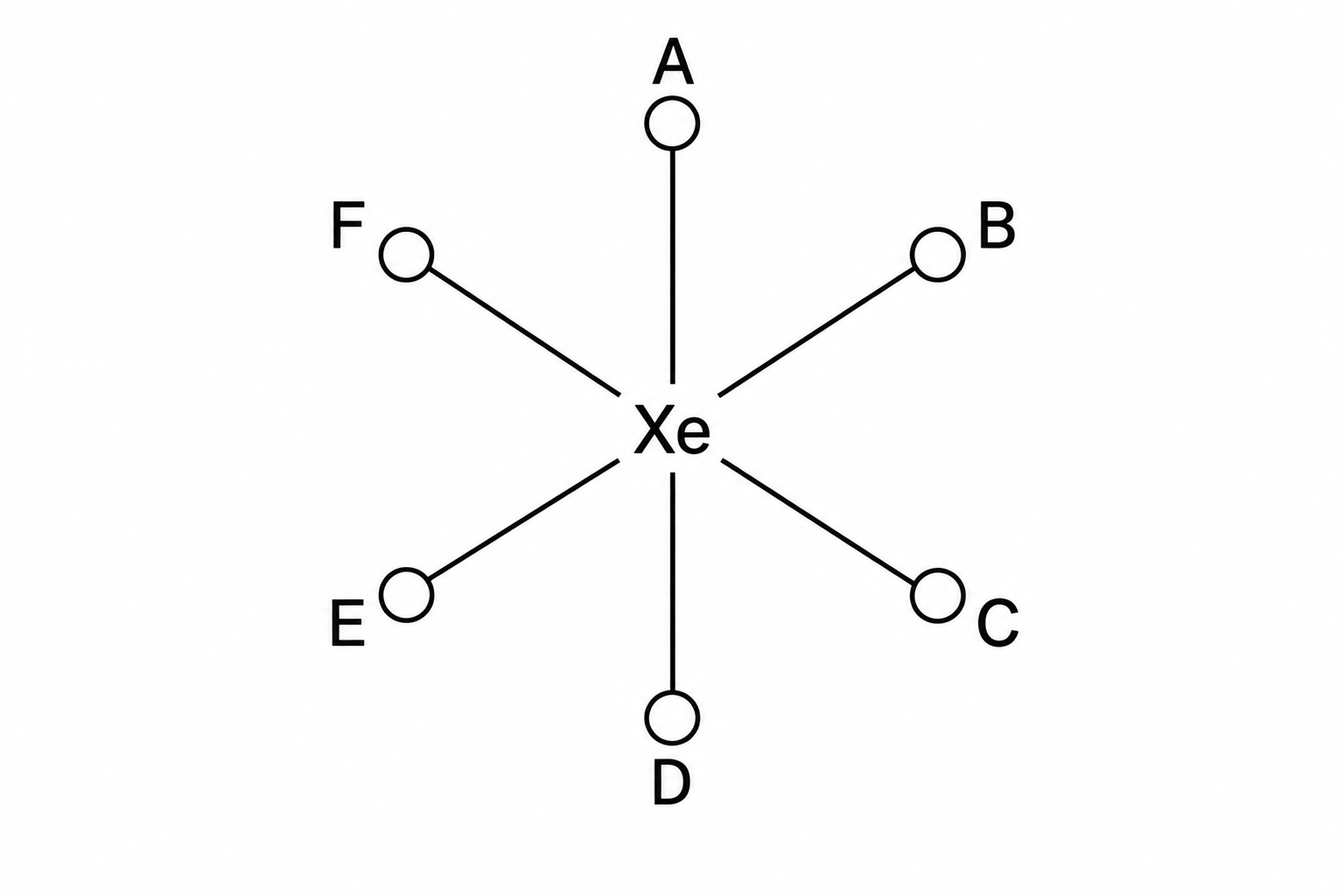
The diagram is a site map for six octahedral electron-domain positions, not a drawing of their spatial angles. Sites at opposite ends of the same straight line are 180° apart; every other pair of sites is 90° apart. Four sites are occupied by Xe–F bonding domains in XeF₄, and the remaining sites contain lone pairs. Which arrangement best minimises electron-pair repulsion?
What this assessment covers
Concepts Tested
- Molecular Shapes
Question Mix
- Hard questions included
Skills you build
- Apply
Related assessments
More practice
Other assessments in this subject
