Q1 Question
Points: 1
Choose the correct answer:
A muscle cell contains many mitochondria. How do these structures help the cell carry out repeated contractions?
Showing question 1 of 10
Choose the correct answer:
Both bacterial cells and animal cells contain ribosomes. Which shared activity does this explain?
Choose the correct answer:
A living cell takes in useful substances and releases waste substances while keeping its contents separate from its surroundings. Which statement explains the role of its cell membrane?
Choose the correct answer:
When water enters a plant cell, the cell becomes firm rather than bursting. Which function of the cell wall helps explain this?
Choose the correct answer:
Which statement best explains how a large permanent vacuole helps support a soft plant stem?
Choose the correct answer:
Some bacteria contain plasmids carrying genes for antibiotic resistance. What does this show about the function of plasmids?
Choose the correct answer:
A bacterial cell has no mitochondria or chloroplasts, but many reactions needed for life still occur inside it. Which description of the cytoplasm explains this?
Choose the correct answer:
The diagram shows a plant cell. Which statement explains how the structures labelled X help the cell make food?
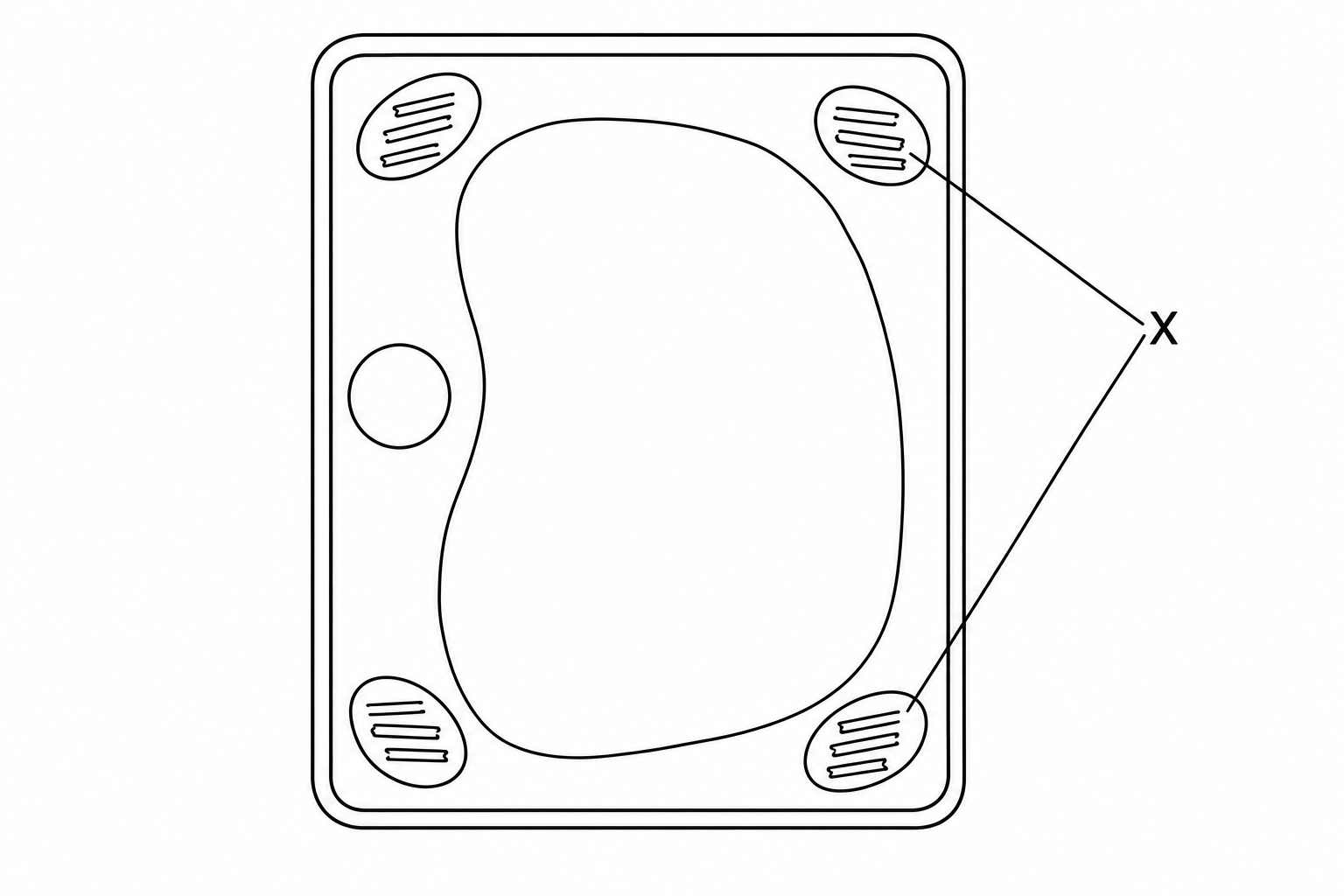
Choose the correct answer:
The diagram shows an animal cell with structure Y labelled. Which description best explains the role of Y in coordinating the cell's activities?
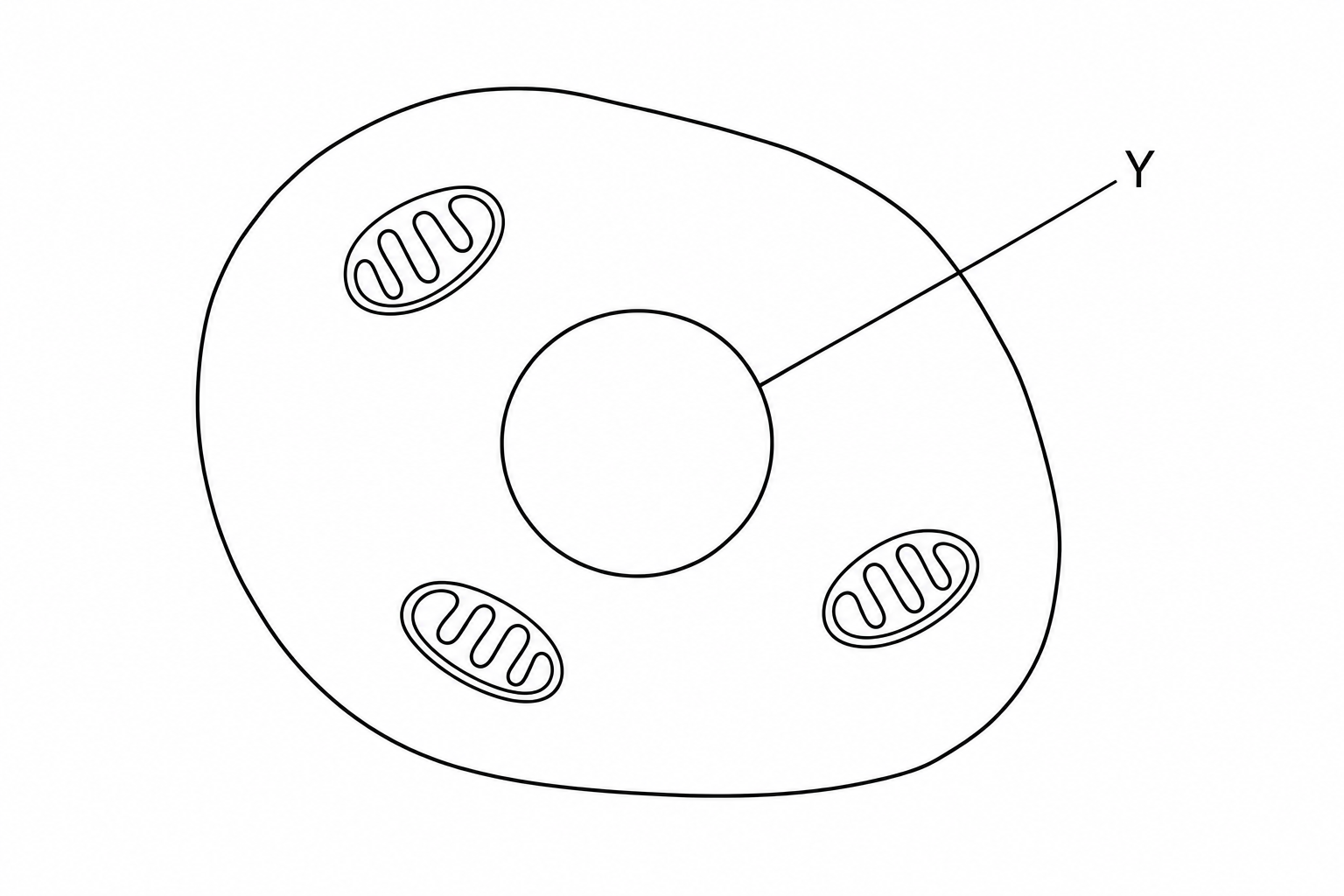
Choose the correct answer:
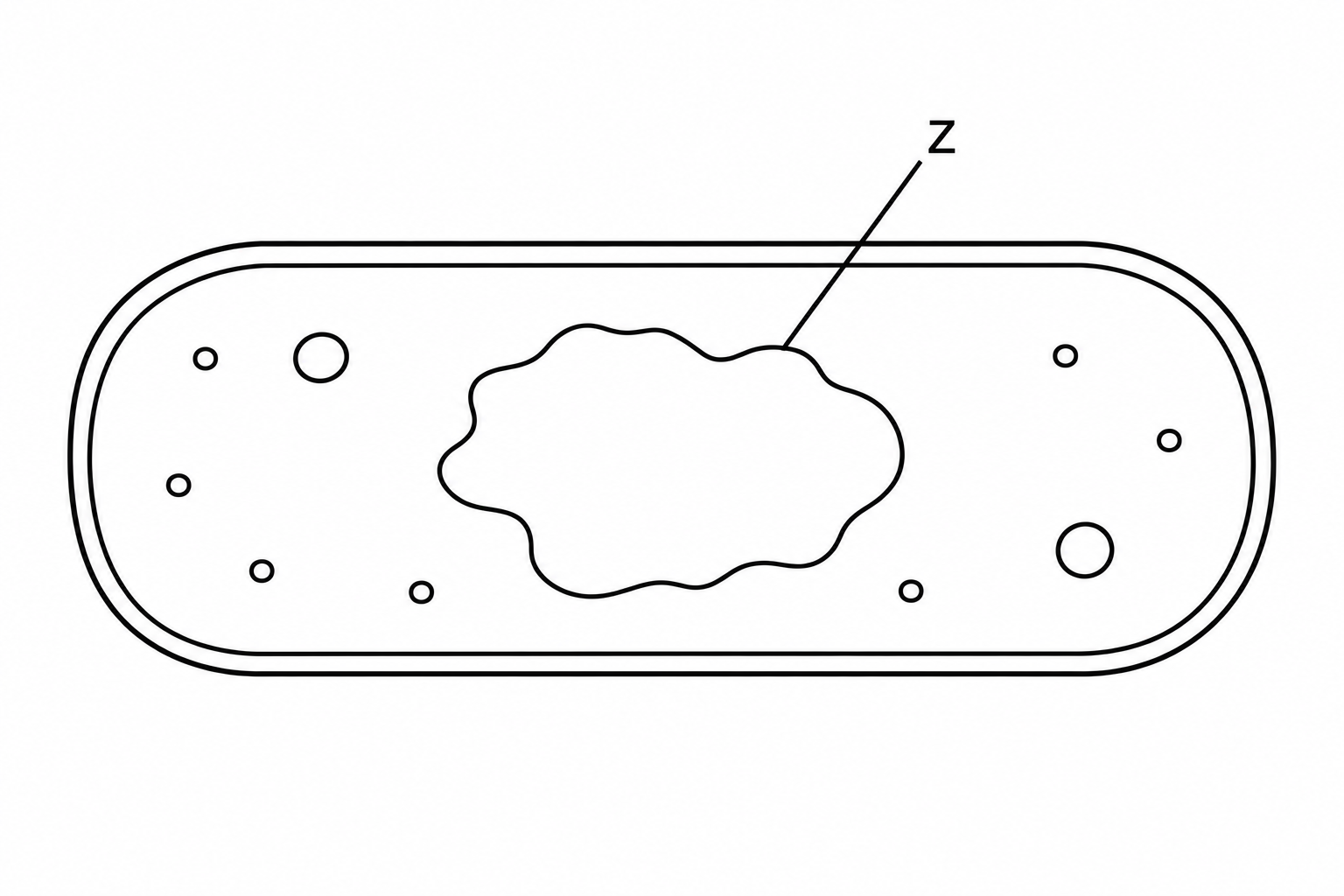
The diagram shows a bacterial cell. Which statement describes a function of the structure labelled Z?