The global pandemic brought new challenges and opportunities to the education sector. We have seen massive growth in EdTech adoption, bringing new opportunities for educators and learners alike.
However, many tutors still attach considerable importance to assessing students through old, conventional methods as before.
Today, learning institutions seek new ways to implement e-learning, assessment, and manage student progress digitally. This gives tutors more room to focus on their teaching techniques and lecture delivery.
Digital assessments open up new possibilities for tutors, allowing them to create and mark assessments in no time.
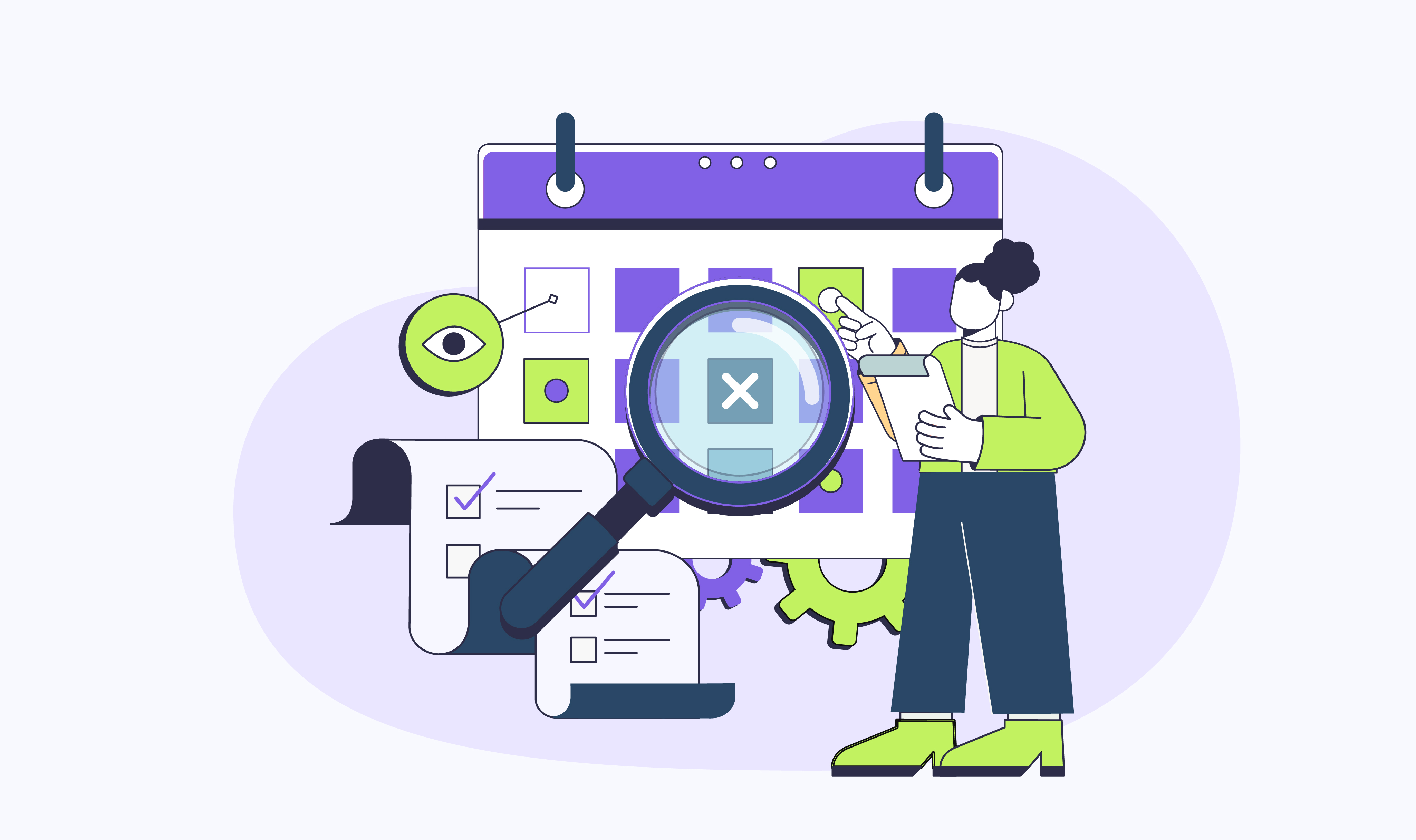
Traditional Testing and Digital Assessments: The Key Differences
Traditional Testing
Conventional testing involves creating paper-based quizzes. Tutors are responsible for grading each test with undivided attention, all while writing personalized feedback for every student. The criteria for traditional tests are pre-defined, and based on this, tutors make decisions and set a mark for each student. Traditional testing typically relies on essays, printed multiple-choice questions, and other handwritten responses. While these formats allow for structured evaluation, they are often time‑consuming to grade and place added pressure on tutors.
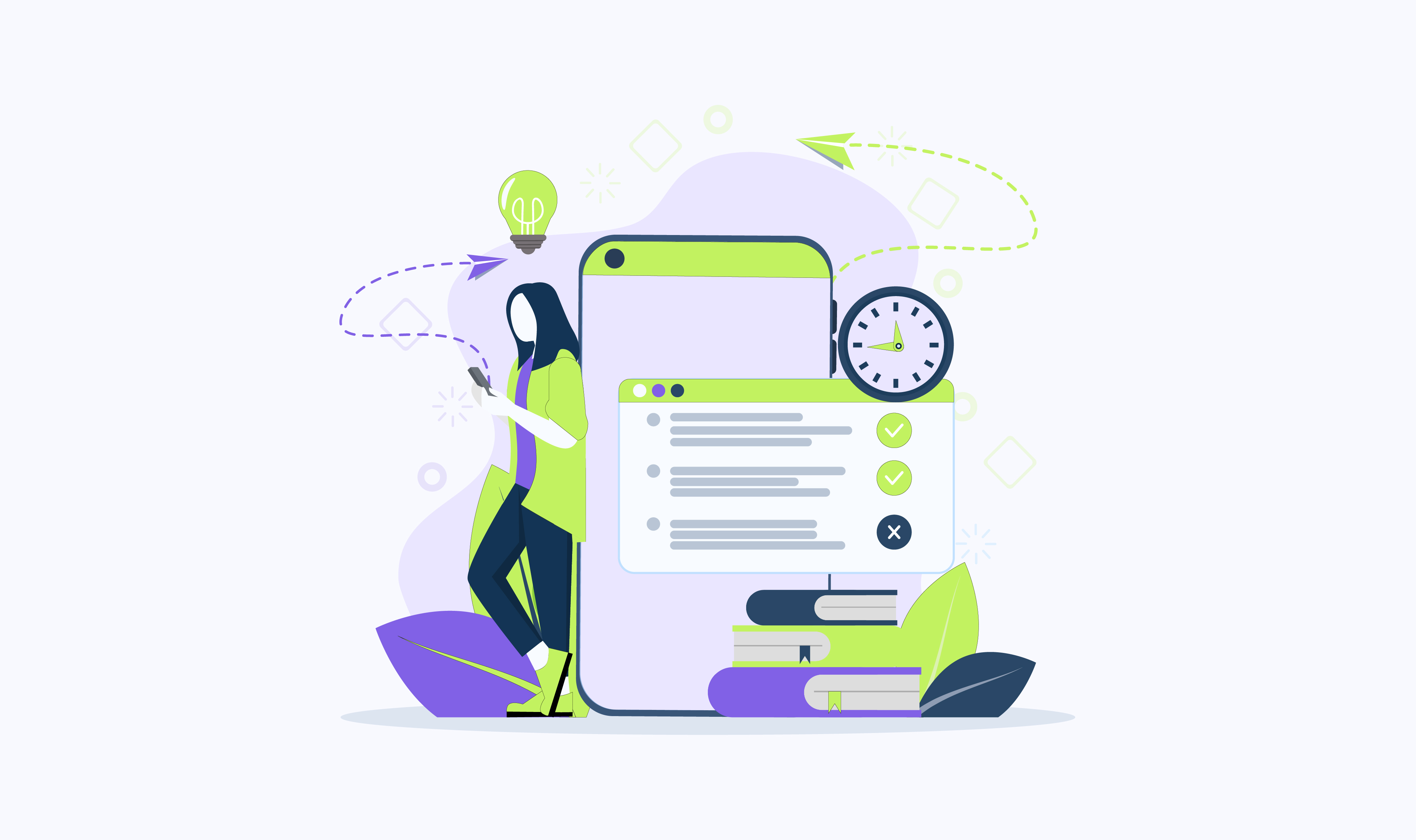
Digital Assessments
Digital assessments involve the creation, marking, and publishing of tests for students with very little human intervention. The EdTech industry has introduced numerous tools that streamline administrative tasks and enhance accessibility, supporting more flexible learning experiences.
However, only a few, like Assessified, have worked on making assessment building simple in education. Digital assessments allow you to auto-check assessments and provide feedback on the go! Educators can easily track each student’s progress with advanced tools like Assessified. Thus, digital testing strategies are time-saving and assist in lowering the stress of tutors.
Challenges of Both Testing Methods
Traditional Testing
Traditional testing has long been the standard for evaluating student performance. These methods provide structured formats such as essays and multiple‑choice papers, which allow educators to measure knowledge consistently.
However, things are changing, and while this approach has proven reliable over time, it can become repetitive and disengaging for students.
In today’s rapidly growing world, innovation and technology often overshadow older practices. While traditional testing has played an important role in the good ol’ days, students accustomed to digital learning environments are less engaged by repetitive, paper‑based methods.
Thus, however impactful it might have been in the past, modern students are less inclined to adopt dated testing methods once introduced to digital learning.
The following are the challenges of traditional testing:
- Triggers Student Anxiety, especially in rigid physical exam settings where time pressure and monitoring heighten stress
- Lack of flexibility
- Limited feedback
- Existence of handwriting bias
- Relegation of skill development
Digital Assessments
Digital test creation streamlines processes and eases an institution’s workload. However, digital assessment methods are not universally effective. Also, not every educational institute has the financial resources to invest in digitally powered, multi-tasking tools. Plus, not all tutors are tech-savvy and face adoption hurdles.
If your desired digital assessment tool doesn’t offer accessibility and engagement, then it may confuse and overwhelm students. For digital assessments to succeed, institutions need both accessible solutions and adequate support to help tutors build confidence in using them.
The following are the challenges of digital assessments:
- Low accessibility
- Data vulnerability
- Financial limitations
- Technical instabilities
Benefits of Both Testing Methods
Traditional Testing
Conventional or old-school testing has been an established practice in education for decades.
These testing approaches often lead to structured evaluation and result in measurable learning outcomes for students. Below are the advantages of traditional testing methods:
-
Flexibility of Question Types
The tutors have a wide range of question formats or techniques to test the students through paper-based exams. You can select any format, from essays, short answer questions, descriptive questions, problem sums, and oral presentations to scenario-based questions.
-
Personalized Feedback
Traditional testing methods allow you to prioritize each student through personalized feedback. In this way, you can target each of your students and highlight their mistakes or weak areas.
-
Ease of Use
Conventional testing methods do not require prior tech knowledge to create or administer. Any tutor can easily write the test down on their notepad and send it over to the examination board for printing. For educational institutes with limited technological infrastructure, traditional assessments remain a practical and reliable option.
Digital Assessments
Traditional examinations are giving way to digitally powered, automated assessments. A digital assessment technique offers flexibility to students and convenience to educators. Moreover, school management can dig deeper into performance analytics and track the progress of each student individually. Below are some benefits of traditional testing methods:
-
Increased Efficiency and Reduced Bias
With digital assessment, tutors don’t have to manually recalculate marks or recheck papers to clear errors. Automated scoring reduces human mistakes and minimizes bias, ensuring fairer outcomes for every learner.
-
Auto-Grading Feature
Manual checking eats up hours, especially when tutors are deciphering messy handwriting or long essays. Digital assessments change that. With auto‑grading, educators save time, reduce frustration, and get instant results that are also consistent. Instead of slogging through piles of papers, they can focus on what matters most: guiding students and improving learning outcomes.
-
Anti-Cheating Features
Integrity in the classroom is non‑negotiable. Digital assessments come equipped with built‑in anti‑cheating tools, including randomized question banks, secure browser locks, and AI‑powered monitoring. Platforms like Assessified help institutions uphold fairness and credibility, ensuring every score reflects genuine effort and knowledge.
What Works Best for Tutors?
Traditional methods have served education well, but digital assessments open doors to flexibility and deeper learning insights. Also, precision and consistency ensure every learner is evaluated fairly, with results that reflect true understanding rather than clerical accuracy, while giving educators confidence in the data they use to guide teaching.
So, tutors don’t necessarily have to abandon the past. However, they can’t overlook where the industry is headed. By adopting digital tools now, you gain efficiency today and stay ahead of modern classroom needs.